
Piano lessons contract
There are so many scary words in that title. Policy, contract, statement all seem to be very severe words. Music is so personal but these words seem so impersonal. Music beings warmth and happiness, but those words seem cold and harsh.
In our educational profession, teachers would like to be as nurturing as possible however, this often means we get taken advantage of. It amazes me the students and parents I've taught who attempt to take advantage of the dear old piano teacher - not showing up for lessons, never reimbursing for purchased music books, stealing music, the list goes on! Of all the people in the world who deserve to be "screwed", piano teachers are not them.
So how do you avoid this mess? You need a Studio Policy.
And it doesn't have to be polite.
It doesn't have to be rude either, but it must be assertive. I have needed to create a thorough studio policy, partly because of my age. In my late-20's, it is difficult to be taken seriously, I am often asked what my "real job" is, if I would accept a delayed payment, or if I can bend the rules for a particular circumstance. While there are always exceptions to every rule, I have become very unapologetic and created my studio policy to solve problems before they arise. If you can think of a problem, it is likely to happen and it needs to be curtailed within a studio policy These documents should be well-structured, clear, and concise. This is not the time to be creative, sweet, and nurturing.
Your studio policy must lay out your expectations of students and parents, must explain what your role is as the teacher, and must include some format of fee structure. In total, my studio policy is 3 pages long and includes six subheadings:
- Curriculum, Lessons, Performances
- Missed and Rescheduled Lessons
- Student Responsibilities
- Parent Responsibilities
- Your Piano
- Registration and Tuition
Your policy should be updated yearly with increases in fees, the number of lessons taught per year, new contact information, and lesson etiquette. As the world becomes faster-paced, more impatient, less committed and more demanding, this year's additions have reflected some frustrating circumstances I've come across. Generally, I am emphasizing the commitment I expect from my students and what the result will be if this commitment is not honoured. Although these sections are much longer than what is written below, here are some of my highlights and changes for the 2014 - 2015 year.
Suggested Practice Times
· Beginners: 15 – 20 minutes, 5 times per week
· Grades 1 to 4: 30 – 45 minutes, 5 times per week
· Grades 5 and 6: 45 – 60 minutes, 6 times per week
· Grades 7 and 8: 60 – 90 minutes, daily
· Grades 9, 10: 90 – 100 minutes, daily
· ARCT and above: 120 minutes, daily
Share this Post
Related posts
Piano lessons software
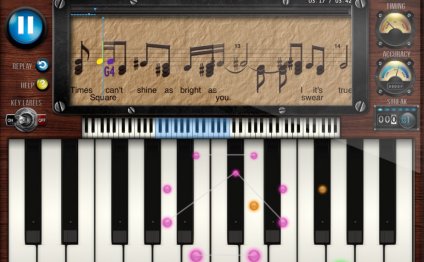
Windows XP/Vista/7 or Mac OSX Ages 4 - 10 • Discover the most exciting and effective way for kids to learn the language of…
Read More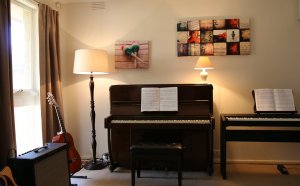
Piano lessons Doncaster
I am a Licentiate of The Royal Academy of Music(London); the Guildhall School of Music (London); a Graduate of the British…
Read Morelatest post
-
 Eric Arceneaux Voice lessons October 27, 2026
 -
 Voice lessons Worcester MA October 22, 2026
 -
 Guitar lessons Jacksonville FL October 17, 2026
 -
 Themes in The Piano Lesson October 12, 2026
 -
 Good songs for Voice lessons October 7, 2026
 -
 Guitar lessons in London October 2, 2026
 -
 Guitar lessons Concord CA September 27, 2026
 -
 Fort Worth Guitar lessons September 22, 2026
 -
 Free Piano lessons for Adults September 17, 2026